
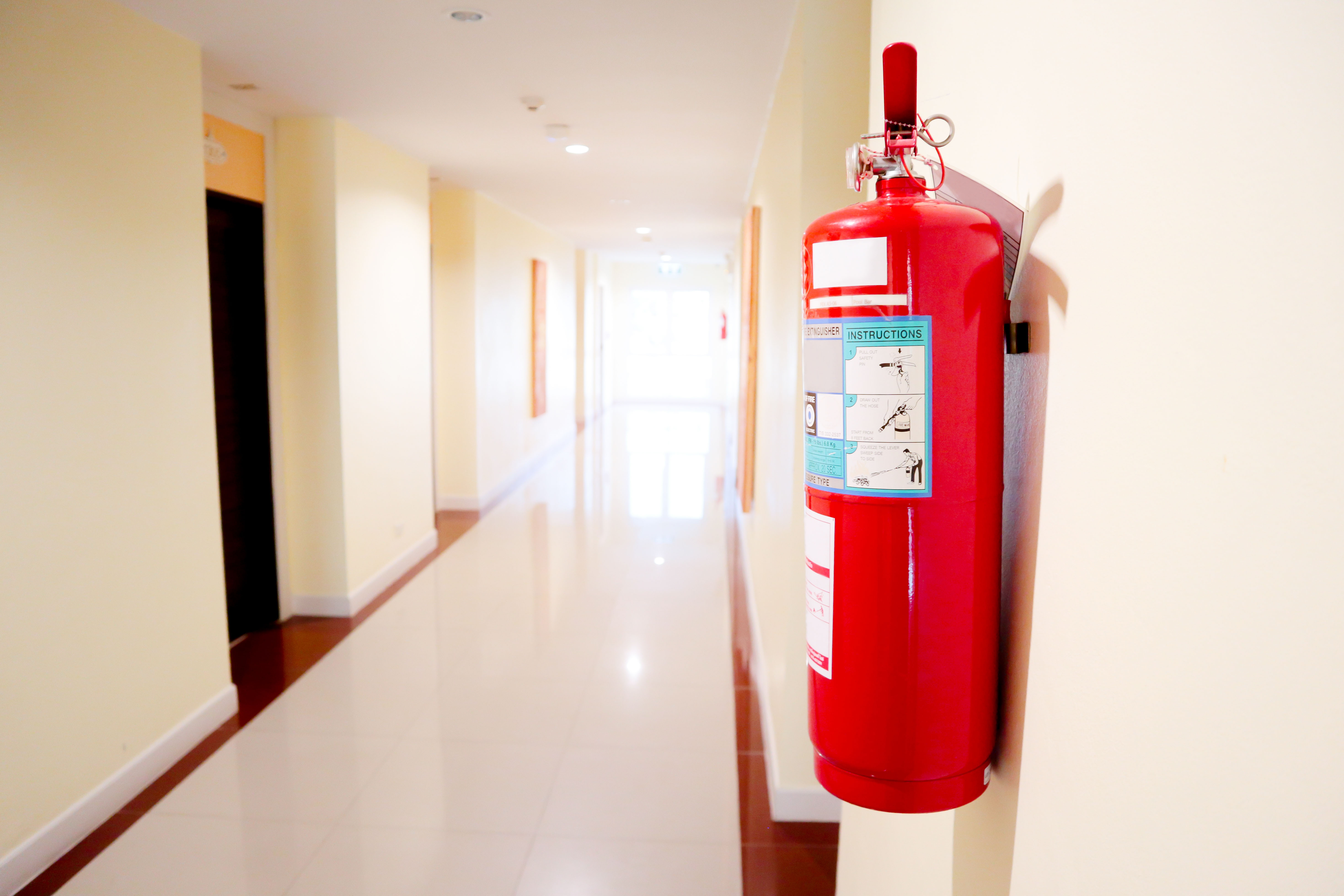
5 Reasons Investing in Quality Fire Safety Equipment Pays Off
Fire safety is a crucial component of ensuring the safety and security of any environment, be it residential, commercial, or industrial. Quality fire safety equipment plays a pivotal role in safeguarding lives and properties against the potentially catastrophic effects of fires. Investing in high-grade equipment not only fulfills legal and insurance requirements, but it also offers peace of mind to occupants, employees, and stakeholders alike. As fire-related incidents can escalate rapidly, having reliable systems in place ensures prompt action and reduces the overall severity of an emergency. Establishing a thorough, top-down strategy that incorporates up-to-date technologies is essential for modern facility managers aiming to insulate their operations against unpredictable disasters.
According to SafeHome.org, home fires claim the lives of an average of seven people each day in the United States. This staggering statistic underscores the vital necessity of deploying top-tier protection across all facilities. Modern fire safety equipment provides the initial line of defense, mitigating property destruction and significantly lowering the risk of life-threatening injuries during critical moments. Property owners who actively upgrade their protection infrastructure demonstrate a profound commitment to personal safety while shielding their investments from sudden structural loss. Adequate preparation serves as the backbone of every effective disaster mitigation plan, ensuring that all physical assets remain resilient over time.
Enhancing Occupant Safety
Immediate alarm systems provide the first line of defense against fires by enabling early detection and swift evacuation. Quality alarm systems detect minimal traces of smoke or heat, triggering alerts quickly to guide occupants toward safe routes. Effective fire suppression tools, such as sprinklers and extinguishers, contain fires early to limit structural damage and prevent catastrophic injuries. Advanced alarm technologies can now isolate specific heat signatures, broadcasting precise localized alerts that inform safety personnel exactly where an incident originates. This granular visibility drastically reduces response times, allowing occupants to execute primary evacuation routes long before smoke density severely degrades overall air quality and vision inside the building.
Clear emergency lighting, marked exit routes, and robust communication systems streamline evacuation procedures to prevent panic. When paired with trained personnel who understand how to operate fire safety equipment, these physical tools form an interconnected safety network. Routine hands-on training sessions ensure that facility managers, staff members, and designated safety captains know how to react calmly during unexpected emergencies. When employees understand the operational mechanics of extinguishers, hose stations, and emergency door releases, they act as decisive leaders rather than passive bystanders during high-stress scenarios.
This comprehensive preparation helps occupants stay calm, rational, and focused during real emergency scenarios. By creating an integrated system where technological safeguards complement human awareness, buildings significantly reduce the likelihood of bottlenecks, crowd surge, or disorientation at primary exit points. Ultimately, robust life-safety infrastructure minimizes human error, providing a dependable safety umbrella that protects every person inside the facility around the clock.
Minimizing Property Damage
High-quality fire safety equipment features rapid response capabilities designed to contain flames before they spread out of control. Early intervention reduces repair costs, protects irreplaceable physical assets, and prevents severe business disruptions. Modern suppression devices are engineered to minimize collateral smoke and water damage, preserving total air quality and structural integrity. Rapid response technologies utilize specialized sensors to deliver immediate, localized suppression, preventing localized flash-overs from overwhelming entire interior floors. Preserving crucial business infrastructure, such as server rooms, specialized manufacturing machinery, and paper records, relies directly on how rapidly suppression gear deploys during initial ignition phases.
In addition to physical protection, insurance companies frequently reward buildings equipped with premium fire safety equipment through lowered policy premiums. Taking a proactive approach to risk management simplifies claims handling and prevents costly regulatory non-compliance fines. Insurers conduct detailed risk assessments before underwriting commercial properties, examining everything from system maintenance logs to emergency power backups. Facilities that consistently install top-tier, compliant machinery secure favorable policy terms, lower deductibles, and experience significantly faster claims processing if an unexpected incident occurs.
Complying With Safety Regulations
Adhering to municipal and national safety codes is essential for avoiding legal liabilities, severe penalties, or forced facility shutdowns. Installing certified fire safety equipment ensures that property managers meet mandated standards and showcase responsible management. Municipal authorities continuously update safety codes to account for evolving architectural trends and material risks, making code adherence a continuous operational duty. Investing in adaptable, expandable hardware allows building managers to meet these evolving standards seamlessly without needing full system overhauls every few years.
Regular maintenance and professional inspections further demonstrate an ongoing commitment to legal standards. Third-party testing ensures that control panels, smoke detectors, and suppression valves operate at peak efficiency. Maintaining meticulous digital documentation of all system inspections shields commercial property owners against liability claims following workplace incidents. Demonstrating that all safety equipment was properly serviced proves due diligence and reinforces the integrity of internal safety protocols.
Fulfilling insurance stipulations regarding fire safety equipment protects policy coverage and prevents claim denials after an incident occurs. Aligning with recognized industry standards helps organizations maintain a competitive operational standing while earning professional validation from safety regulators. Meeting these strict criteria establishes trust among clients, building occupants, and key industry stakeholders, elevating the overall authority and market reputation of the facility management team.
Increasing Awareness and Preparedness
Conducting regular fire drills helps occupants become familiar with emergency procedures and the location of essential equipment. Educational programs complement these exercises by teaching participants how to safely operate fire safety equipment and execute efficient evacuation routes. Practice drills remove ambiguity, helping individuals recognize alarm tones instinctively and identify secondary emergency exit corridors. When safety routines become second nature, occupants move efficiently during real emergencies, drastically reducing response delays across multi-story layouts.
Clear signage and detailed directional maps eliminate confusion and guide individuals toward exits quickly. Modern emergency signage features self-illuminating materials and high-contrast lettering to ensure visibility during complete power outages or heavy smoke conditions. Strategic positioning of clear directional markers reassures visitors who may be unfamiliar with the building's floor plan, preventing dangerous detours and helping everyone exit the premises safely and efficiently.
Knowing that reliable infrastructure is in place fosters psychological preparedness, reducing anxiety and preventing irrational behavior during crises. Engaging local community resources, such as fire departments, further strengthens emergency readiness through expert guidance and collaborative drills. Together, these combined efforts build resilient communities prepared to act decisively during fire hazards, ensuring an organized response that supports first responders from the second they arrive.
Enhancing Reputation and Trust
Demonstrating a firm commitment to life safety through high-grade fire safety equipment significantly elevates an organization's brand equity. Customers and partners prefer engaging with businesses that visibly prioritize life safety and property protection. This proactive approach cultivates strong brand loyalty, enhances customer confidence, and fosters an overall positive corporate image. Stakeholders increasingly view safety initiatives as a fundamental metric of corporate governance and environmental stewardship, recognizing that safe facilities yield reliable operational results.
Prioritizing workplace safety boosts employee morale, increases job satisfaction, and reinforces the understanding that management values staff well-being. Modern job seekers favor employers who demonstrate tangible investments in workplace health and safety standards. Providing top-tier safety hardware creates a secure work atmosphere, reducing turnover rates and boosting daily productivity because workers feel completely protected from external hazards.
Investing in quality fire safety equipment is an essential strategy for protecting human lives, preserving physical property, and maintaining full regulatory compliance. Beyond basic risk mitigation, modern systems build organizational credibility and reassure occupants that their well-being remains an absolute priority. For more information about the services that we offer, reach out to our incredible team at Fire Extinguisher Services Inc today!