
When Is It Time to Upgrade or Replace Your Fire Safety Equipment?
Protecting your building requires more than buying devices and forgetting them. Being prepared for emergencies means you maintain an active role in evaluating the tools you rely on daily. Many property owners mount alarms on the wall and assume they're protected forever. Unfortunately, this mindset leads to dangerous gaps in protection. Materials degrade, batteries lose charge, and technology becomes obsolete. Recognizing when to take action ensures you are never caught off guard.
Knowing when to replace or upgrade your fire safety equipment is essential to maintaining a secure environment for your family or employees. This process requires regular checkups and an understanding of how tools age. You don't have to be an industry professional to keep your space secure. By paying attention to a few clear indicators, you can confidently make informed decisions about your emergency action plan.
Your Equipment Fails a Routine Inspection
Regular professional checks are vital for ensuring your tools work when you need them most. Certified inspectors conduct these evaluations to verify that everything functions according to specifications set by the manufacturer. During visits, technicians examine pressure gauges, test alarms, and look for blockages in hoses. They have the specialized training required to spot internal issues that an average person might overlook. If a device fails this evaluation, it is a definitive warning that it can no longer perform its job effectively.
Failing a scheduled inspection doesn't necessarily mean you neglected your maintenance duties. Mechanical parts wear out over time with regular exposure to fluctuating temperatures, dust, and humidity. A failed service report is an opportunity to correct a vulnerability before a disaster strikes. Sometimes a service technician can recharge a cylinder or replace a faulty valve, but other times replacing the entire unit is safer. Investing in new fire safety equipment eliminates the risk of relying on compromised gear.
Keeping records of past inspection dates helps you anticipate when replacements might become necessary. You should schedule these evaluations annually or as recommended by local guidelines. If you notice a pattern of constant repairs on the same device, it makes more financial sense to purchase a new model. Continually paying for minor fixes adds up quickly and leaves you vulnerable between service calls. Upgrading to newer devices provides enhanced reliability and peace of mind for everyone in the building.
Your Property Layout Changes
Environments evolve as businesses grow, families expand, or building layouts undergo renovations. Whenever you add rooms, knock down walls, or change the function of an area, your preparedness plan must adapt accordingly. A system that protected a small open office a few years ago might be inadequate for a space divided into multiple enclosed cubicles. The physical distance between warning devices and exit routes plays a massive role in how quickly people can react. You must evaluate your space routinely to identify these changes.
Different environments introduce completely new hazards that require specialized fire safety equipment for effective mitigation. Converting a basic office room into a commercial kitchen introduces cooking oils and grease, demanding a different class of suppression tools. Similarly, bringing heavy machinery or combustible materials into a warehouse alters the fundamental risk profile of your facility. You can't rely on general-purpose tools to handle specific chemical or electrical hazards. Evaluating the materials present in your space dictates what type of suppression tools you need to install.
Scaling up your operations or moving into a larger facility means you need to scale up your protection efforts. A large warehouse requires louder alarms and a higher concentration of suppression devices compared to a retail storefront. As your footprint grows, you must strategically map out new locations for every device to guarantee coverage across the entire floor plan. Ignoring this vital step leaves newly constructed areas completely vulnerable. Upgrading your suppression tools ensures that every corner of your property remains protected.
Your Devices Show Visible Signs of Wear
Physical degradation is one of the most obvious indicators that a device needs replacing. Over the months and years, items mounted on walls or placed in hallways take a significant amount of abuse from accidental bumps, environmental exposure, and general use. Dents in a metal cylinder or a cracked plastic housing on an alarm are clear warnings that the internal components might be compromised.
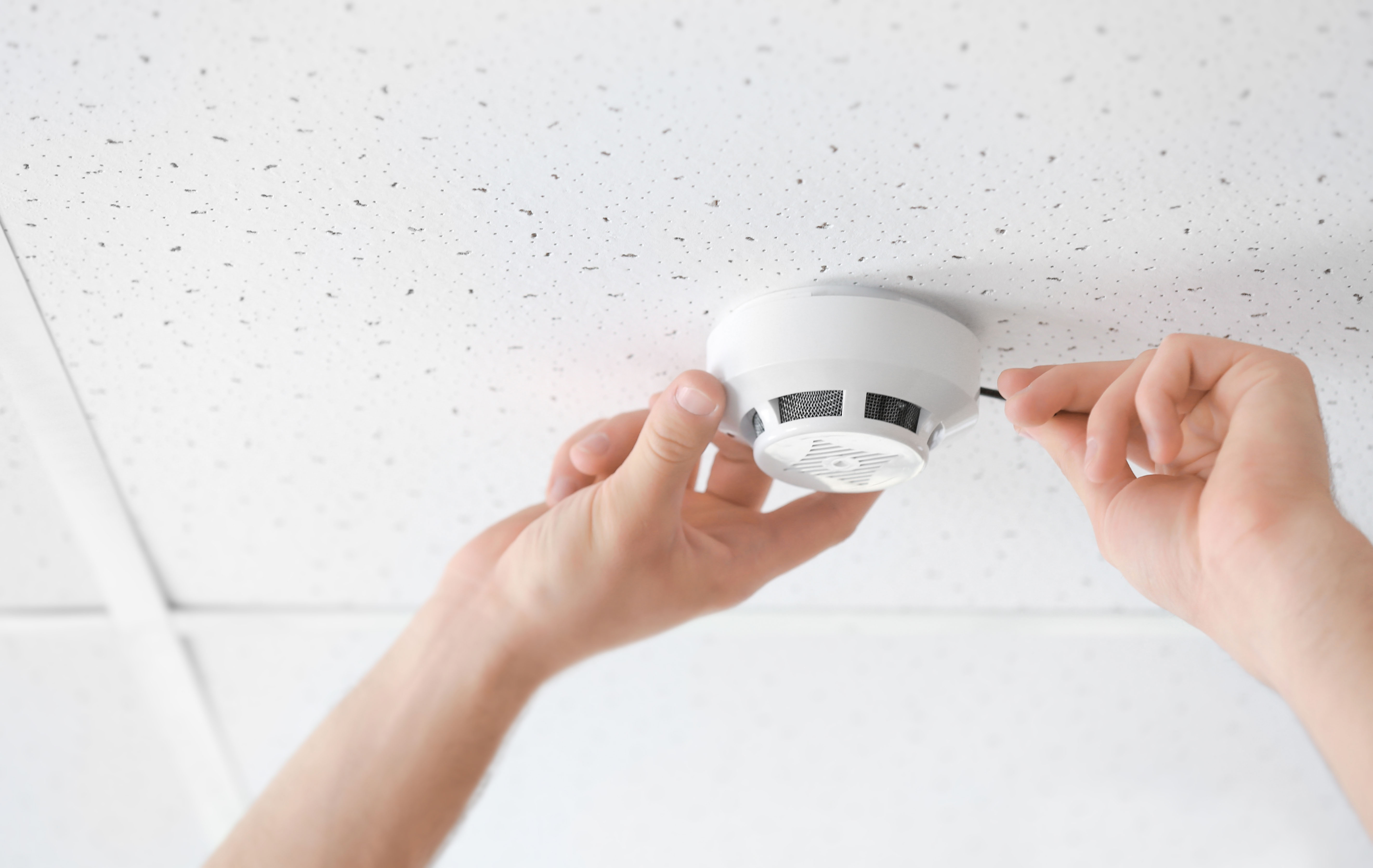
Age plays a major role in how well these devices function during a crisis. Nothing lasts forever, and even well-maintained items have a definitive expiration date. According to Forbes, the typical smoke detector has a lifespan of about 10 years. Keeping a device past its recommended service life increases the chances of catastrophic failure. Sensors lose sensitivity, and chemical agents inside cylinders eventually lose their effective pressure.
Environmental factors greatly accelerate this physical decline. Devices installed outdoors or in areas that aren't climate-controlled face harsh conditions like freezing temperatures, extreme heat, and direct sunlight. Rust on a pressure gauge or faded instructional labels indicates that the weather has taken a toll on the unit. You must inspect these exposed items frequently. If you can't read the operating instructions on your fire safety equipment due to sun fading, you need a replacement.
Your Safety Standards or Local Codes Have Updated
Local laws and municipal codes are rarely static. Government agencies routinely update their regulations as experts learn more about risk prevention and material science. What was considered compliant a few years ago might fall short of current legal expectations. Failing to stay informed about these municipal changes can result in hefty fines or a temporary shutdown of your commercial operations.
Staying compliant is not just about avoiding penalties from local inspectors. These code updates are designed to save lives based on real-world data and improved technology. When regulations change, they often mandate newer, more responsive technology that provides earlier warnings. Upgrading your tools to match these new benchmarks guarantees that your building meets the modern threshold for adequate emergency preparedness and response.
Business owners must be proactive in tracking these legislative shifts. You can't wait for an inspector to issue a citation before deciding to modernize your facility. Maintaining open communication with local authorities or safety professionals helps you anticipate upcoming legal requirements. When new mandates pass, evaluating and modernizing your fire safety equipment becomes an immediate priority to ensure uninterrupted business operations and compliance.
Regularly evaluating your physical environment and device conditions is the ideal way to stay prepared. As we've discussed, changes in local regulations, structural modifications to your property, and general wear and tear all dictate when you should seek out replacements. Paying attention to routine inspection results gives you the knowledge necessary to act swiftly before a minor vulnerability turns into a major liability. Safety is not a static achievement. It's an ongoing commitment to protecting the people and assets within your residential or commercial property.
Ignoring the warning signs of aging or inadequate protection only increases the risk of catastrophic damage during an emergency. By replacing obsolete items promptly, you create a responsive environment capable of handling unexpected crises. Make it a habit to routinely review your floor plans, check your device expiration dates, and monitor local laws for any structural compliance updates. When you take the proactive step to upgrade your fire safety equipment, you can secure peace of mind knowing you are ready for whatever challenges might arise in the future.
Don't wait for an emergency to happen. Contact Fire Extinguisher Services Inc today to update your fire safety equipment.